

Somer Saw It First
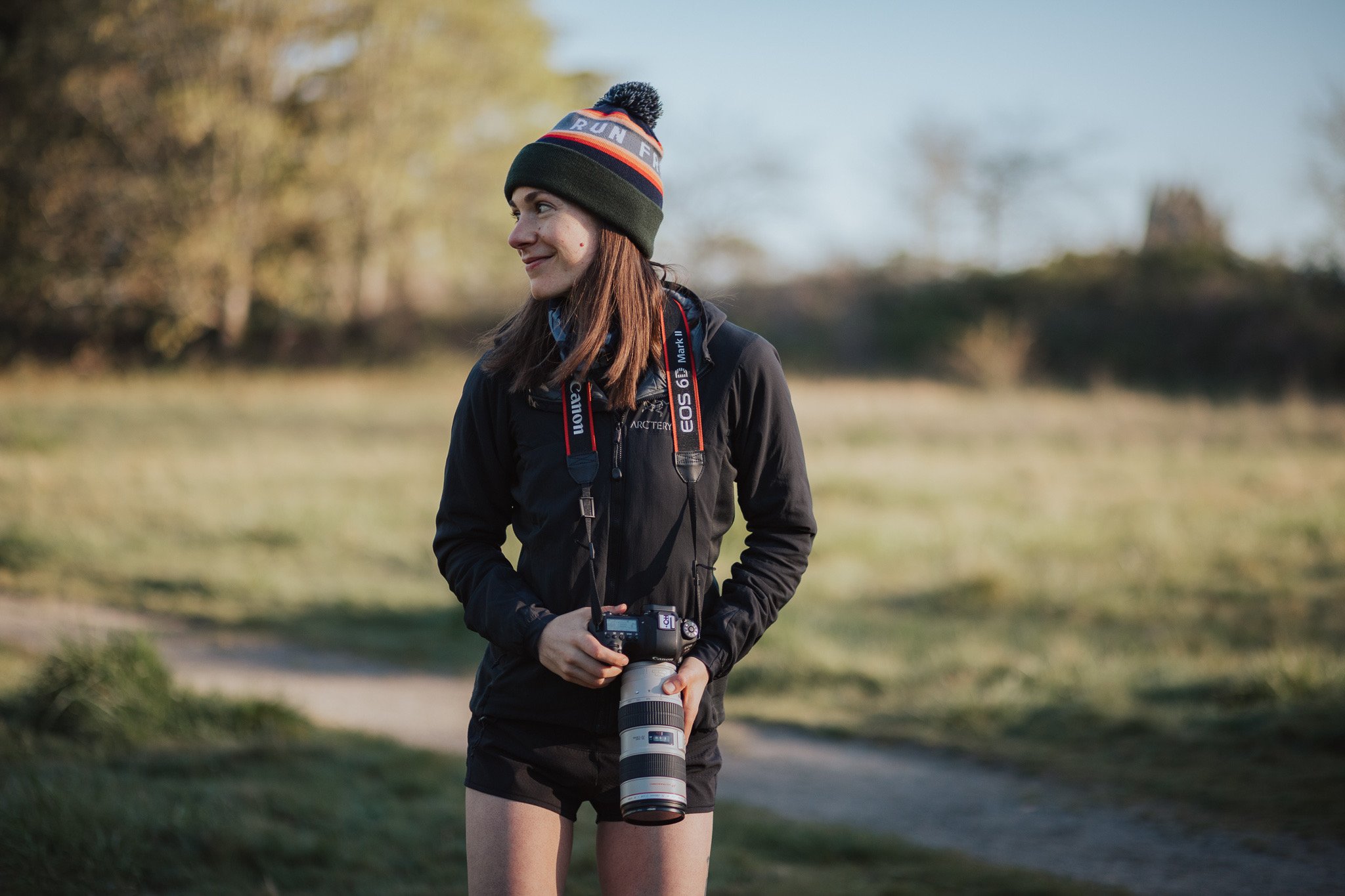
Photo Credit: Tiare Bowman
Homepage Photo Credit: Emilia Bajkowska
The morning after Rachel Entrekin won Cocodona, I woke up and did what everybody does now.
I opened Instagram.

Photo Credit: Somer Kreisman
There was Rachel, all over the place. Norda had the kind of race a brand dreams about, and the photos made it feel immediate. Clean. Important. Like the whole thing had simply appeared on our phones because that is what happens when an athlete has a week like that.
But those photos did not appear from nowhere.
Somewhere in Arizona, Somer Kreisman had been sitting alone in a car at some stupid hour, sending images back one by one. She was there for Norda, trying to follow Rachel Entrekin and Michael Versteeg across a 250-mile race, which is an absurd assignment if you stop and think about it for more than three seconds. Two athletes. One photographer. Too many miles. Too much sleep deprivation. Too many chances to be in the wrong place when the thing happens.
The rest of us got the polished version.
Somer got the drive.
That is the strange bargain of good sports photography. The better it is, the less you think about the person who made it. You remember the runner, the dirt, the light, the finish line, the brand. The photographer disappears into the image.
Somer Kreisman has gotten very good at disappearing.
Which is funny, because once you start paying attention, her name is everywhere.
When I got into running, I kept seeing her photos attached to the kind of people and brands that made the sport feel interesting to me. Brooks. Rabbit. Hoka. On. Norda. Big races. Cool athletes. Work that did not feel like stock running content. It felt like someone actually understood the sport.
That last part is probably not an accident.
Somer did not come to trail running as a photographer hunting for a scene. She came to it as a runner.
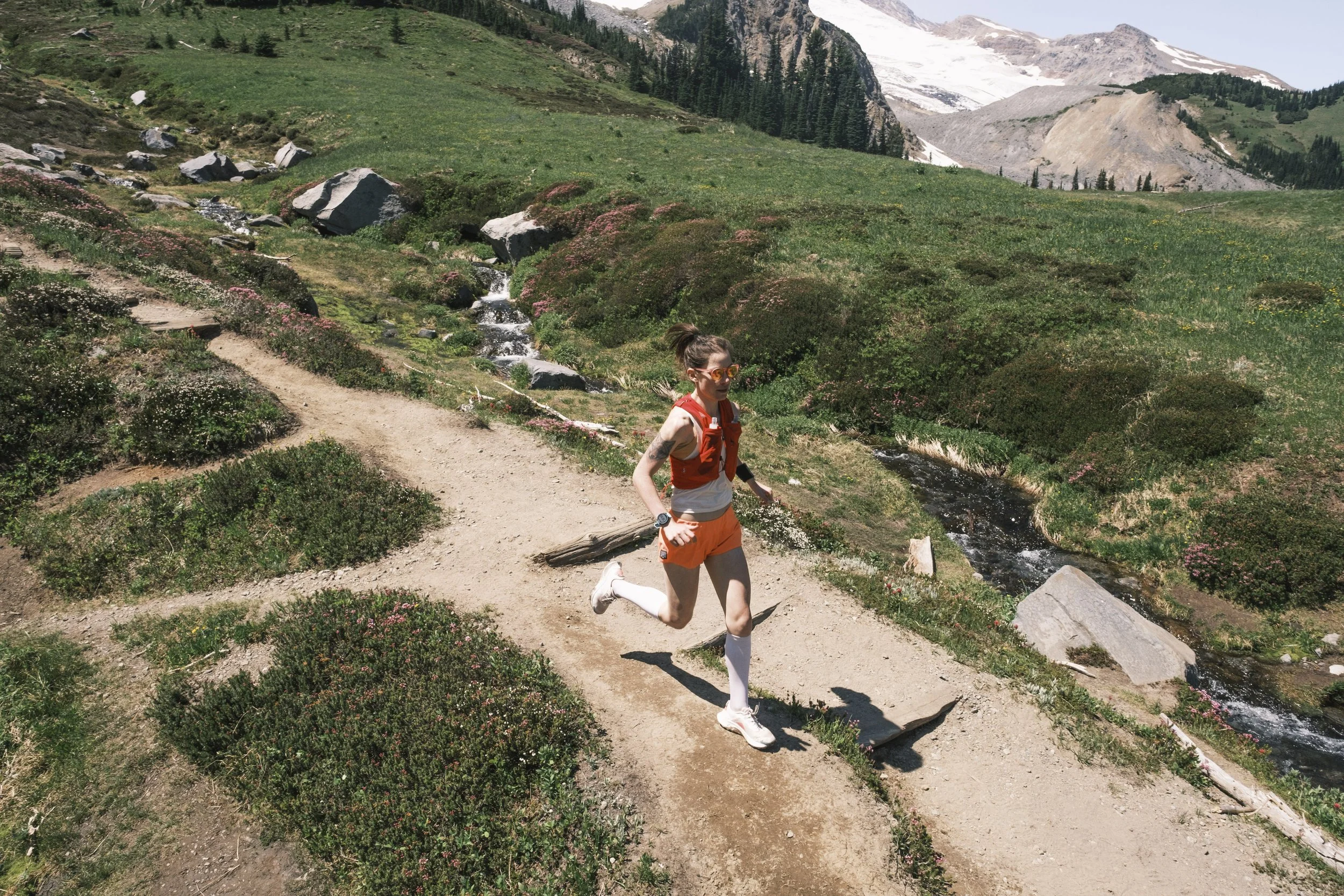
Photo Credit: Ryan Thrower
Before the brand work, before the race coverage, before the Norda assignment at Cocodona, she was a serious runner in Seattle. She took third at the Seattle Marathon twice. She understood training, injury, race nerves, and the odd little emotional economy of endurance athletes before anyone was hiring her to photograph them.
But before even that, she was a kid on Whidbey Island, Washington, spending hours in a darkroom.
She was good early. National-award at Carnegie Hall good. The kind of young artist who had reason to believe the camera might become the path.
Then college happened.
Somer studied photography at the University of Washington and left with a Bachelor of Fine Arts, but not much desire to keep going. The program was a bad fit. It did not prepare her to work as a functional photographer, and worse than that, it seems to have pulled the joy out of the thing. After UW, she barely touched a camera for eight years.
Eight years is a long time to leave something alone after being told, directly or indirectly, that you are supposed to be good at it.
So she did something else.
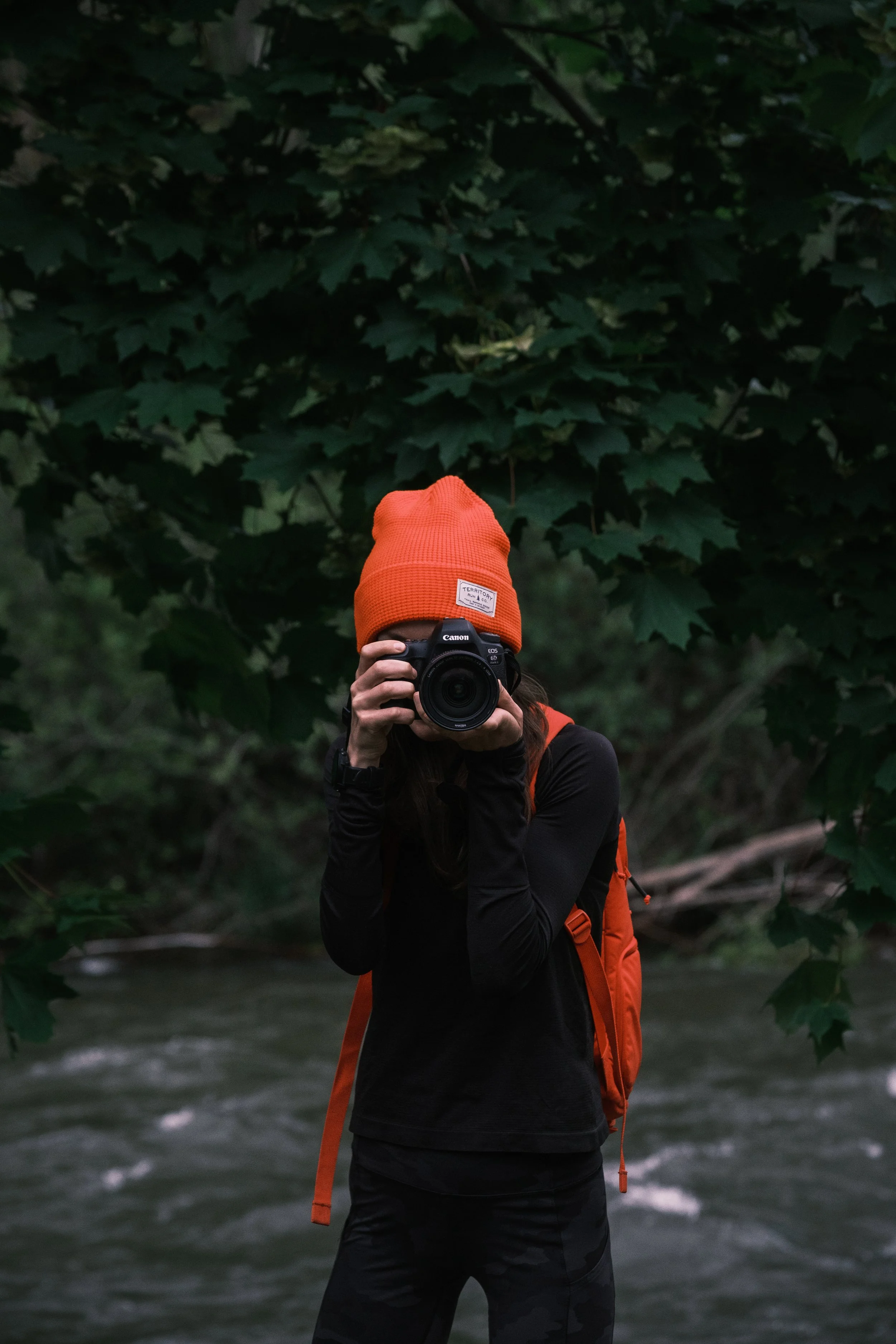
Photo Credit: Ryan Thrower
She went to physical therapy school. Earned a doctorate. Built a career. Kept running. Lived a life that did not require photography to be part of it.
Then 2020 arrived, because apparently all modern origin stories are required to include some form of 2020.
Somer was on a running team doing cross country when she got injured. She could not run the way she wanted to, so she picked up the camera again and started shooting the team.
That is the part I like. No grand relaunch. No dramatic announcement. No “I am returning to my art” nonsense. She was hurt. Her friends were running. She had a camera.
So she used it.
From there, the path was not instant, but it was real. She connected with Ryan Thrower before Free Trail was really Free Trail. Oiselle became one of her first tastes of brand work. Gorge Waterfalls became a kind of recurring education. Her first chance there came too early, by her own telling. She was green, and they had no particular reason to bring her back.
They did anyway.
Five years later, she knows that race. The timing. The flow. The little windows where a runner will appear and the light might work and the story might be there for only a few seconds before it is gone.
That is the job, I think. Knowing where to be before the moment knows it is a moment.
It is also where her running background shows. A non-runner can take a beautiful photo of a runner. Of course they can. But there is a difference between photographing motion and understanding effort. Somer knows what tired looks like when it is still under control. She knows what a runner is doing when the face is blank and the body is bargaining. She knows a race is not just the finish line and not every good image is the obvious one.
Brands seem to know that too.
Brooks reached out last year and contracted her for six races plus team camp. Norda brought her on for North American trail races. The day after we spoke, she was leaving for two weeks to shoot the On trail team at Broken Arrow.
There are worse signs that the work is working.

Photo Credit: Somer Kreisman
Still, what I liked most about talking to her was how little she seemed to be performing the role of “in-demand photographer.” She is not really marketing herself much right now. The work is coming anyway. Brands come to her with an idea, and what she likes is when they trust her enough to say, essentially, here is what we need, now do it your way.
That is probably the dream if you make things for a living.
Not total freedom. Total freedom can be overrated. But trust.
Trust that you have a point of view. Trust that you understand the assignment. Trust that if Rachel Entrekin is moving through the desert toward a historic Cocodona win, you might know how to make the world feel it.
The predictable version of Somer’s story would say she found her way back to photography.
I am not sure that is quite right.
It seems more like photography had to find the right door back into her life. Not a classroom. Not a critique. Not an art-school argument over what a photograph is supposed to be. A running team. An injury. A race. A friend. A long night in a car. A deadline. A runner appearing out of the dark.
Now her work moves through the sport almost invisibly. It shows up in stories, race recaps, brand campaigns, athlete posts, and the little square windows where most of us first encounter a performance.
The athlete gets the moment. That is how it should be.
But someone still has to see it.
Someone has to drive there, wait there, miss sleep there, get it wrong there, learn the race there, and come back the next year knowing a little more.

Photo Credit: Somer Kreisman
Somer Kreisman is not in the photo.
That is the job.
It is also why the photo works.